Where Does Plastic Come From? Plastic = Petrochemical Products
Our Performance
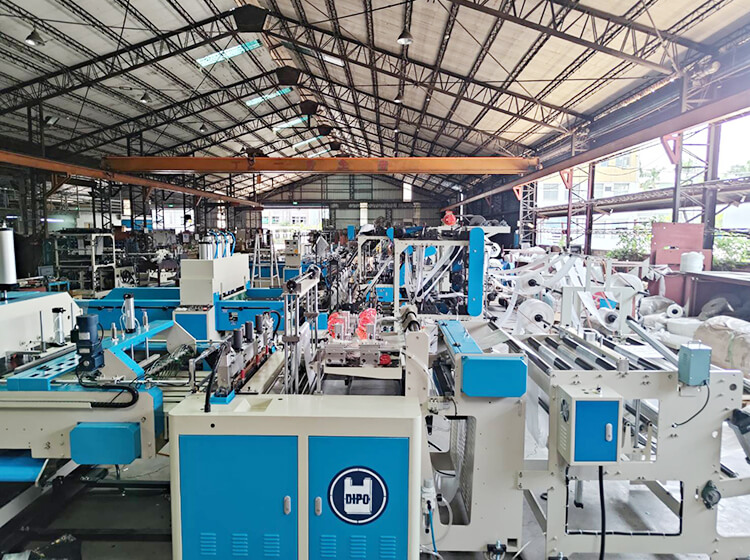
Plastic bags, PET bottles, and takeaway food containers that appear in our daily life all share the same origin: fossil fuels. Around 99% of the world’s plastic raw materials come from crude oil and natural gas. Before plastic products can be made, these fossil fuels must go through multiple processes, including “cracking” and “conversion,” to become plastic pellets (A.K.A resin), which are then further processed into finished products.
From oil wells to plastic production, the process can generally be divided into three stages:
The plastic manufacturing process can be compared to building a castle with blocks:
Fossil fuels (crude oil and natural gas) are like raw timber extracted from underground. After upstream refining, they are transformed into standardized building blocks (basic chemical compounds). In the midstream stage (polymerization plants), these blocks are combined into stronger panels (plastic pellets or resin). Finally, in the downstream stage, these materials are shaped into the various plastic products we use every day.
Because plastics can be repeatedly transformed and reused, knowledge and awareness of waste sorting and recycling are essential. By building a strong educational foundation, practicing recycling in daily life, and encouraging innovation, plastics can continue to create unlimited possibilities for reuse.
From oil wells to plastic production, the process can generally be divided into three stages:
Upstream: Extraction and Refining of Fossil Fuels
The story of plastic begins underground. Crude oil and natural gas are extracted and refined to produce substances such as ethane and propane, which serve as the raw materials for petrochemical cracking.Midstream: Cracking and Polymerization — Where Plastic Pellets Are Born
The refined materials are broken down in cracking furnaces into basic chemical compounds such as ethylene and propylene. Through polymerization, these compounds are transformed into plastic pellets, including PE (Polyethylene), PP (Polypropylene), PS (Polystyrene), and PVC (Polyvinyl Chloride). These pellets are the common starting point for all plastic products.Downstream: Shaping Plastics into Everyday Products
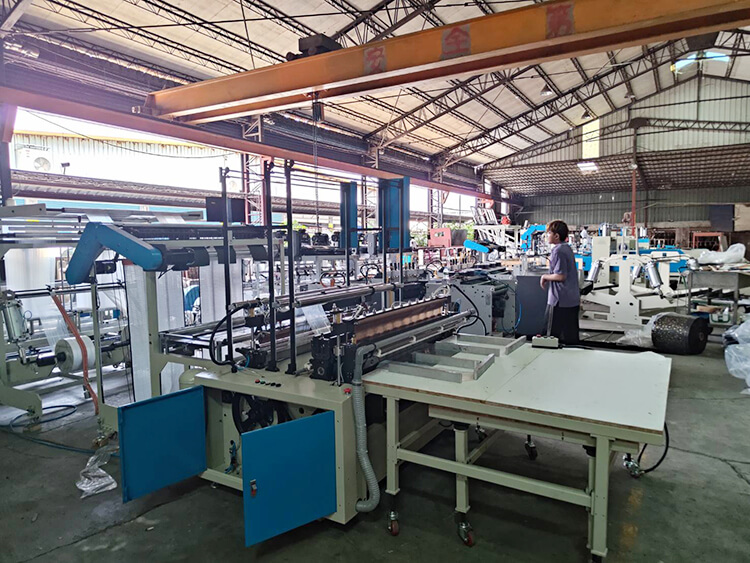
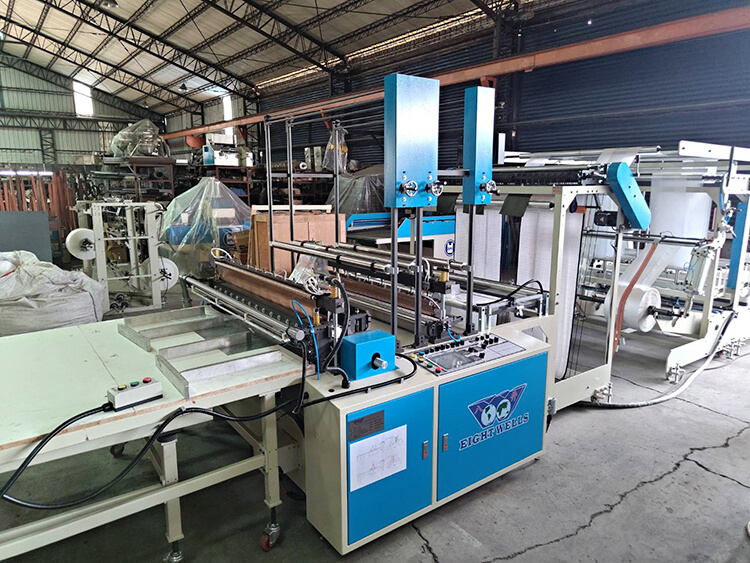
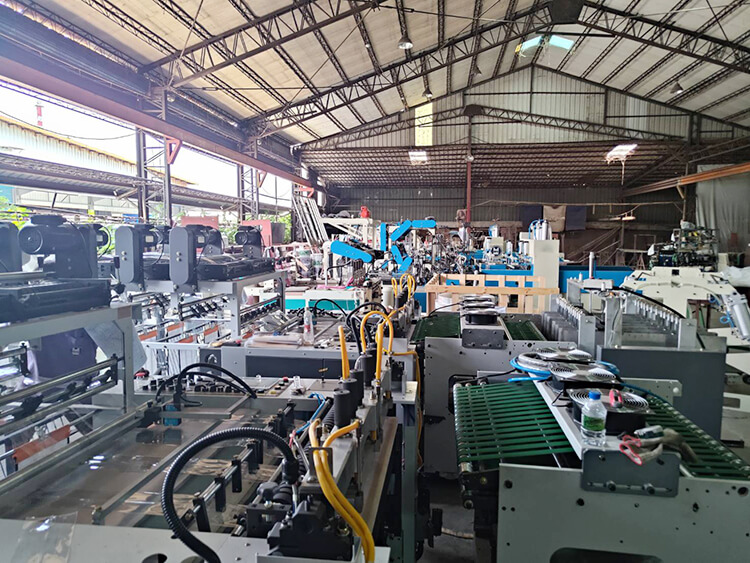
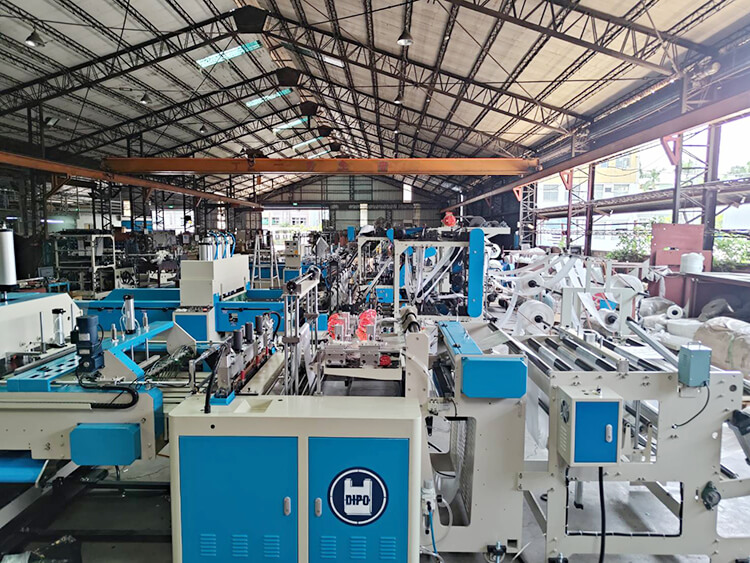
The plastic pellets are then sent to processing factories, where technologies such as injection molding and extrusion are used to create a wide range of plastic products. These include plastic bags, food packaging, beverage bottles, household items, and electronic device casings.The plastic manufacturing process can be compared to building a castle with blocks:
Fossil fuels (crude oil and natural gas) are like raw timber extracted from underground. After upstream refining, they are transformed into standardized building blocks (basic chemical compounds). In the midstream stage (polymerization plants), these blocks are combined into stronger panels (plastic pellets or resin). Finally, in the downstream stage, these materials are shaped into the various plastic products we use every day.
Because plastics can be repeatedly transformed and reused, knowledge and awareness of waste sorting and recycling are essential. By building a strong educational foundation, practicing recycling in daily life, and encouraging innovation, plastics can continue to create unlimited possibilities for reuse.